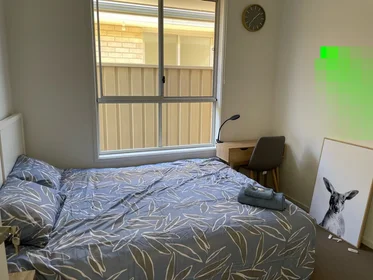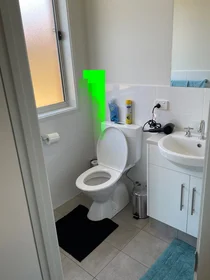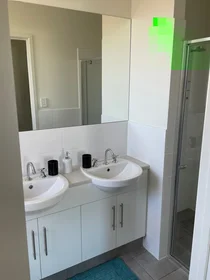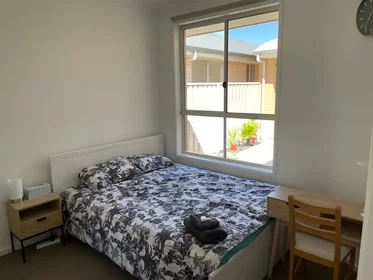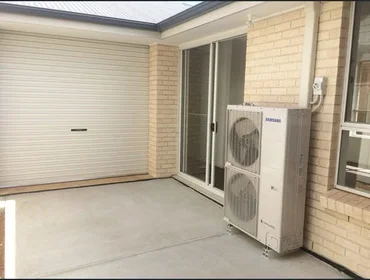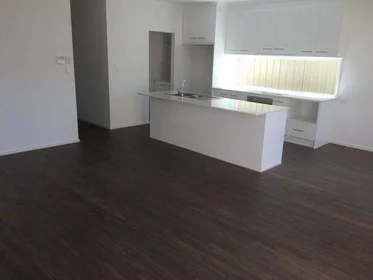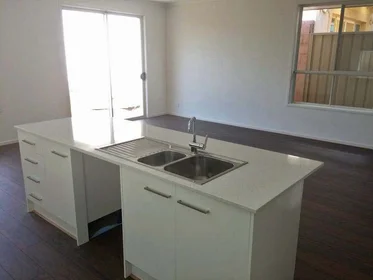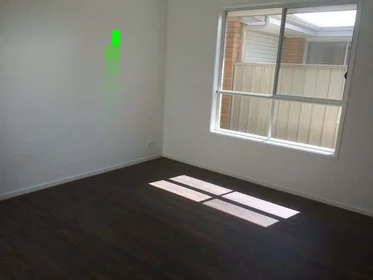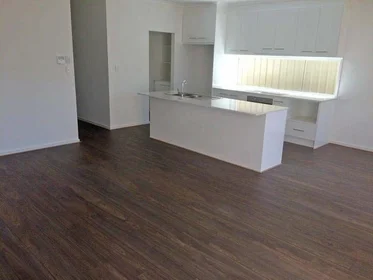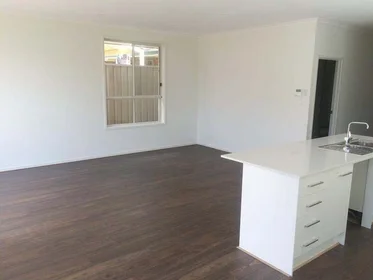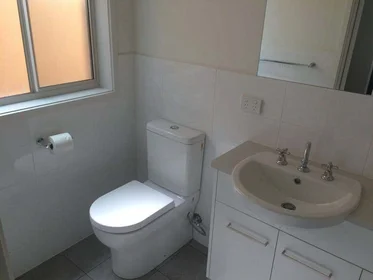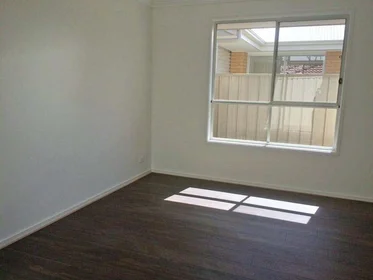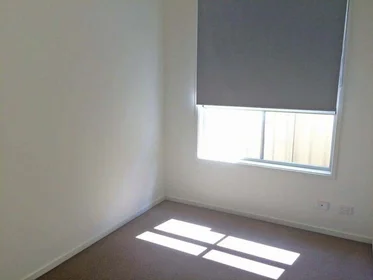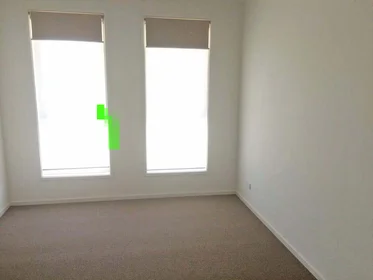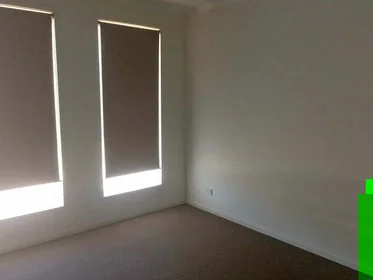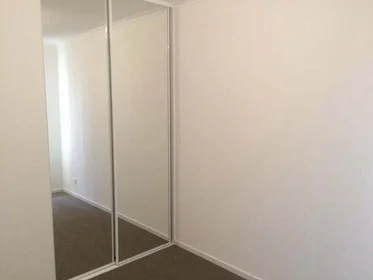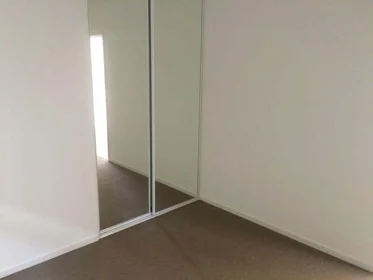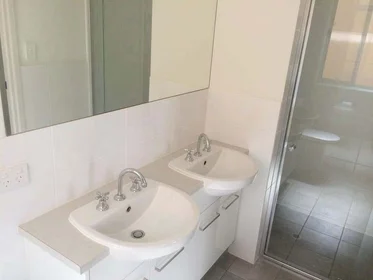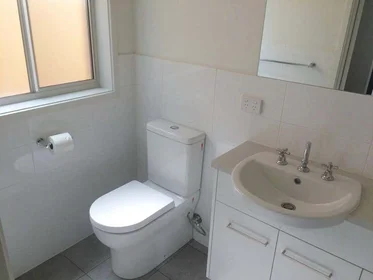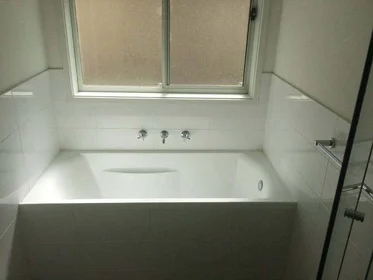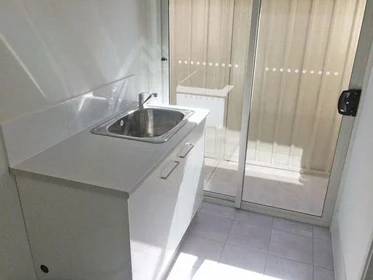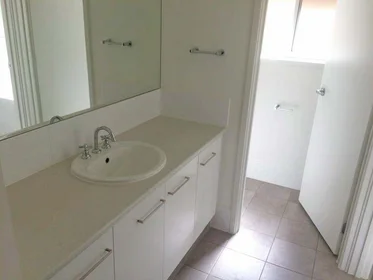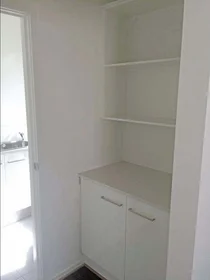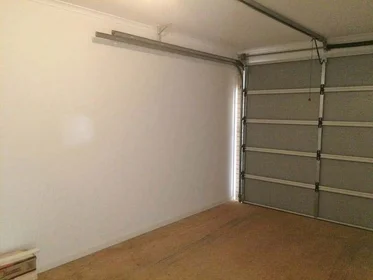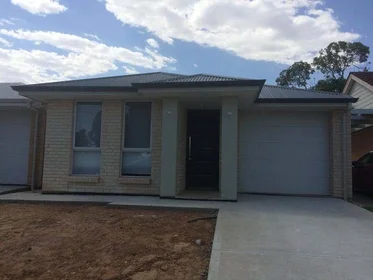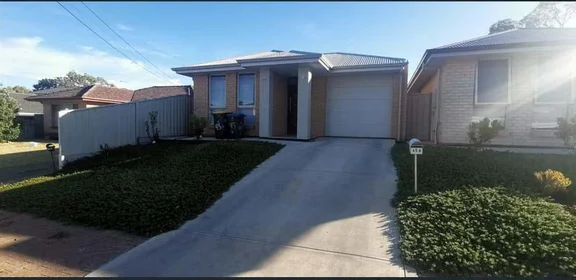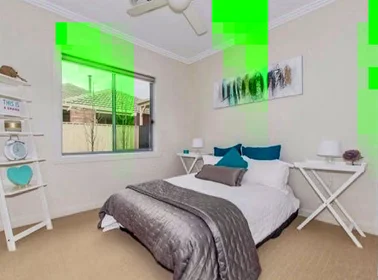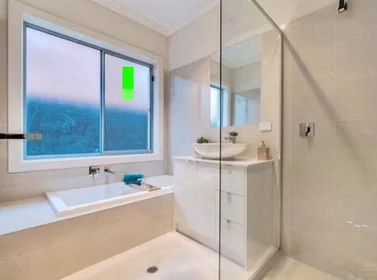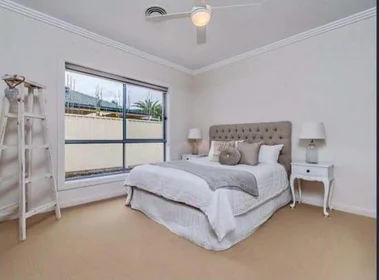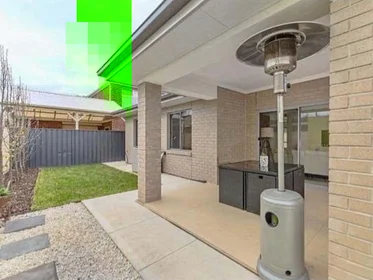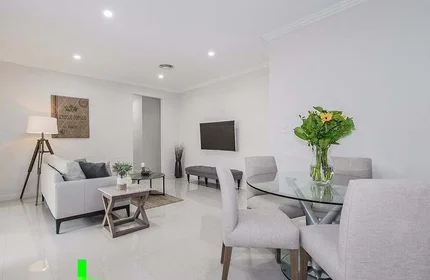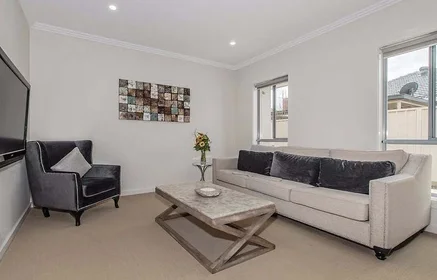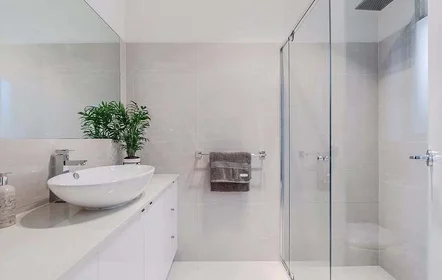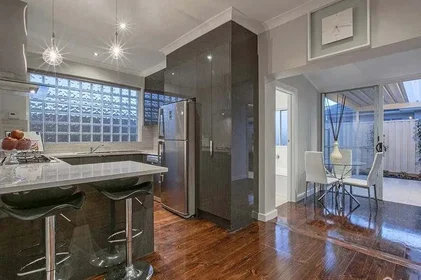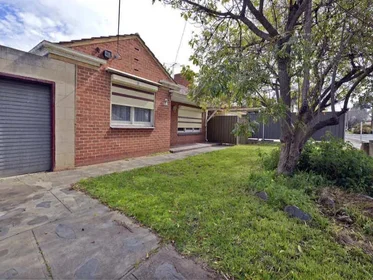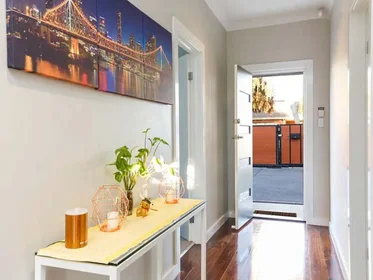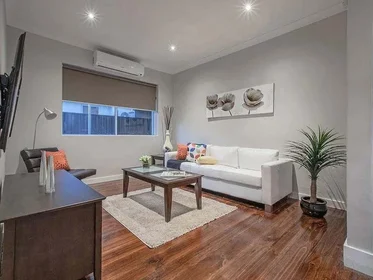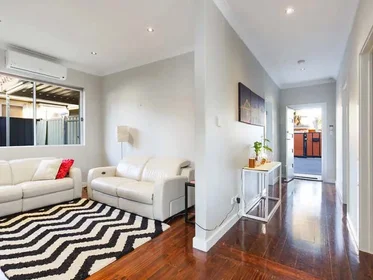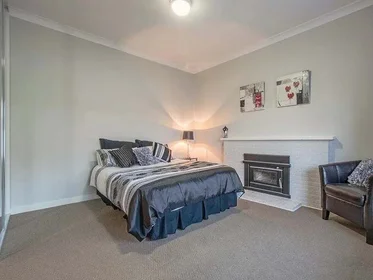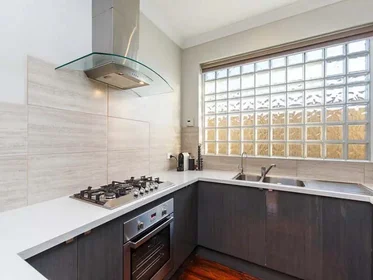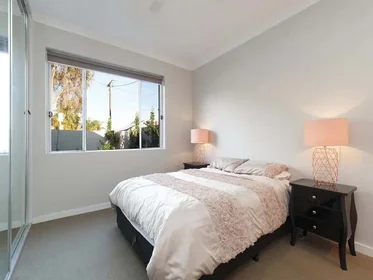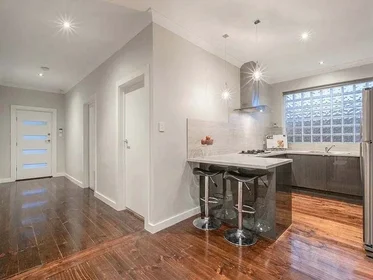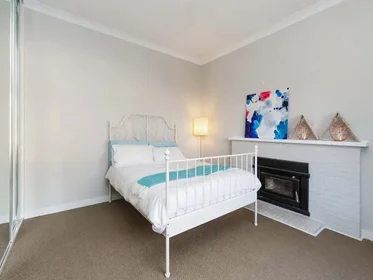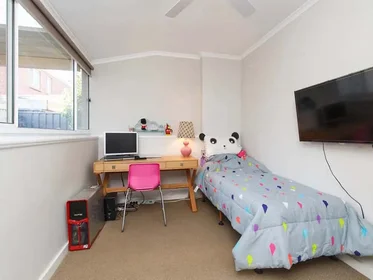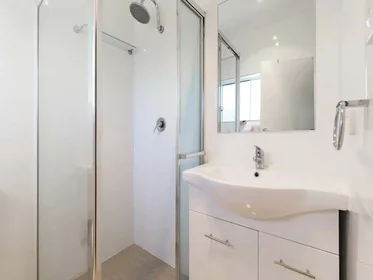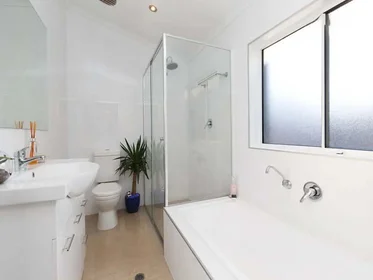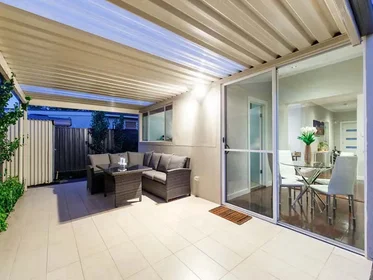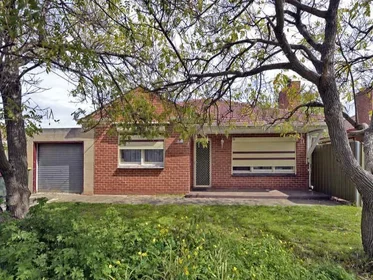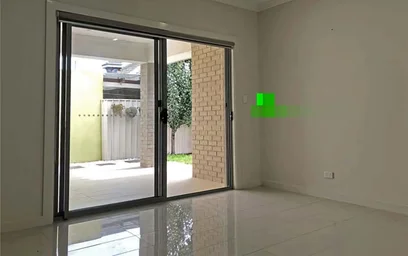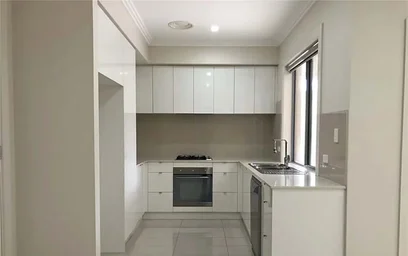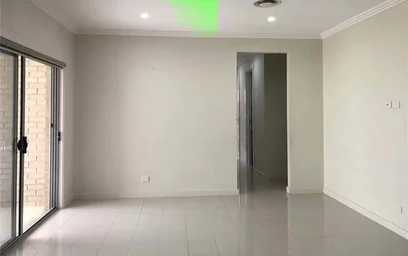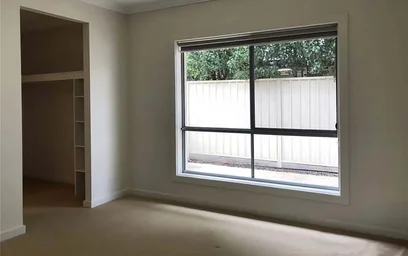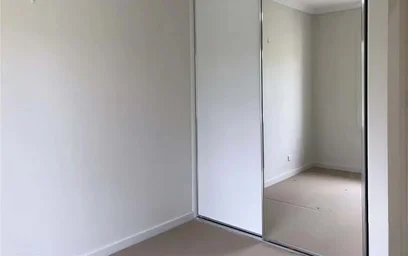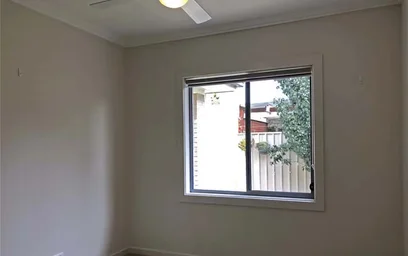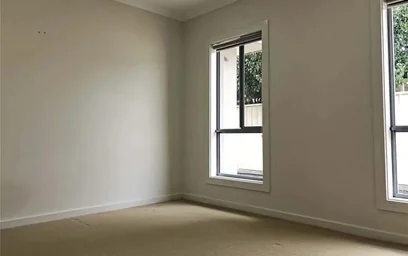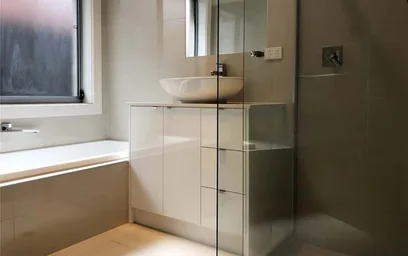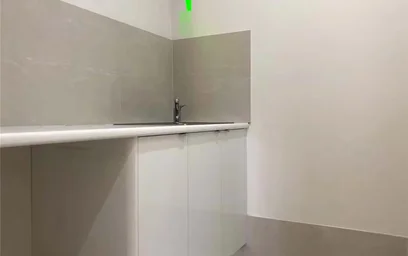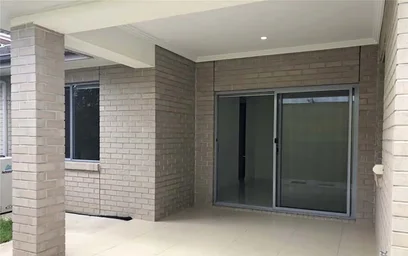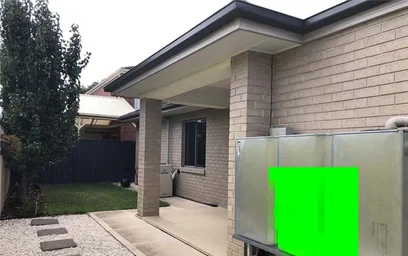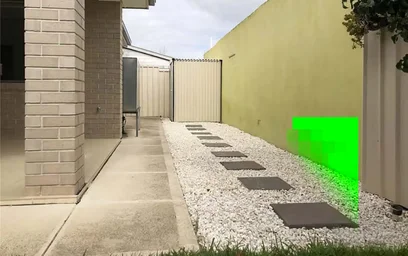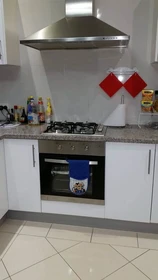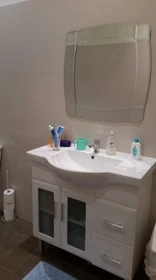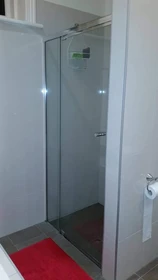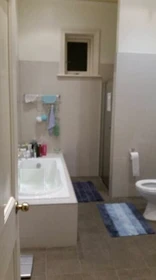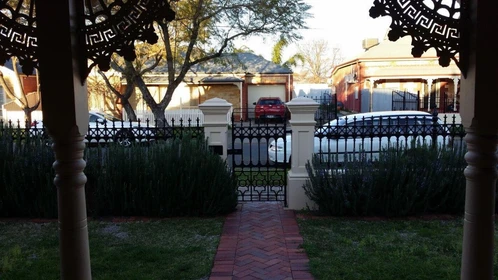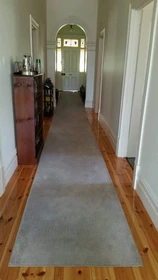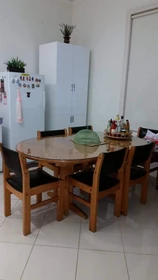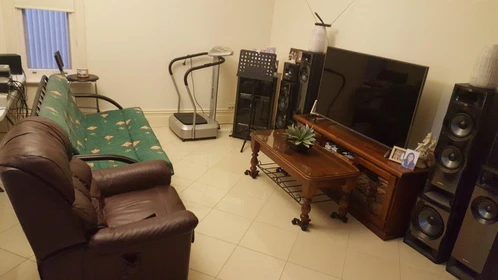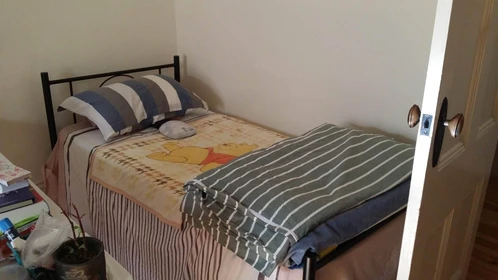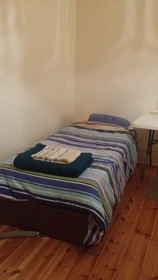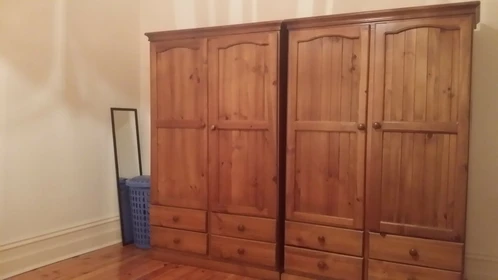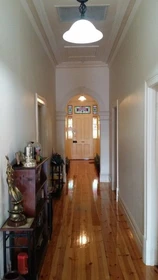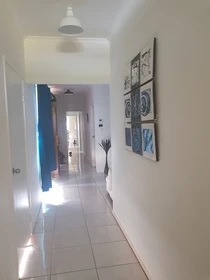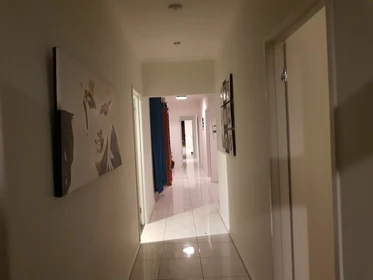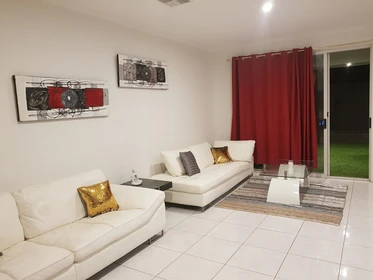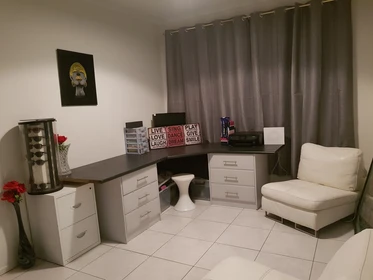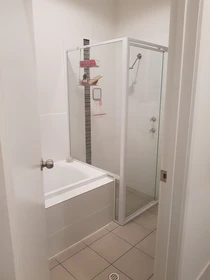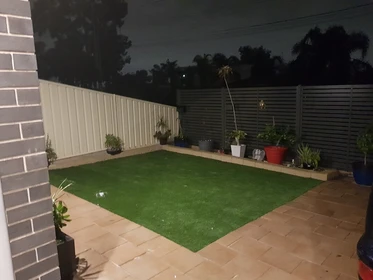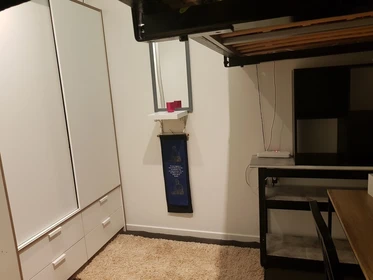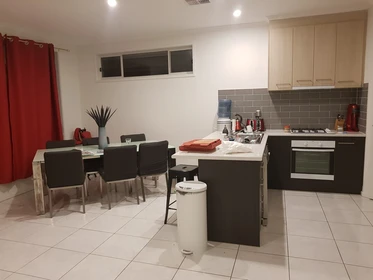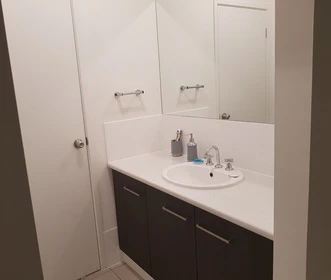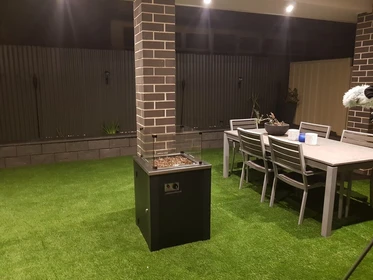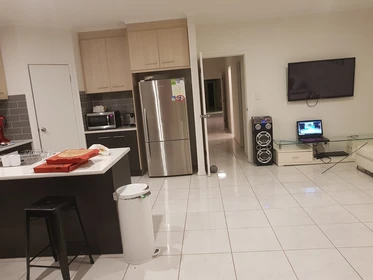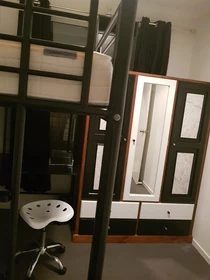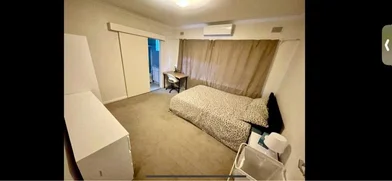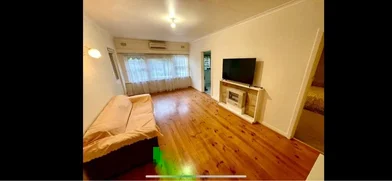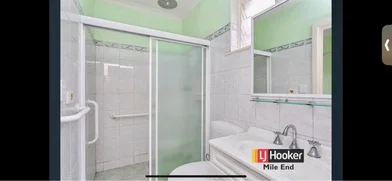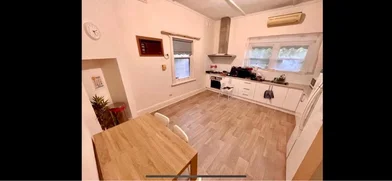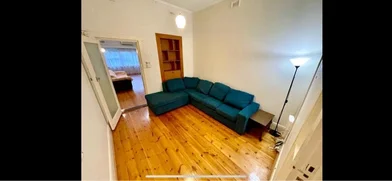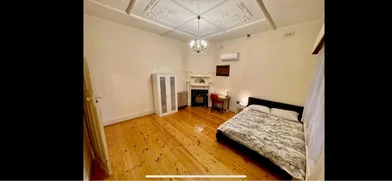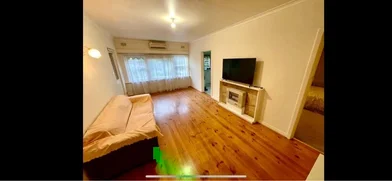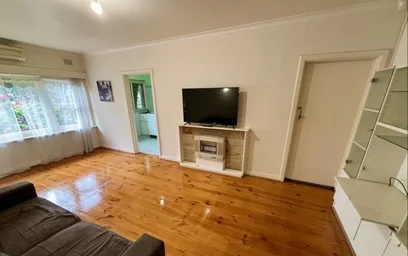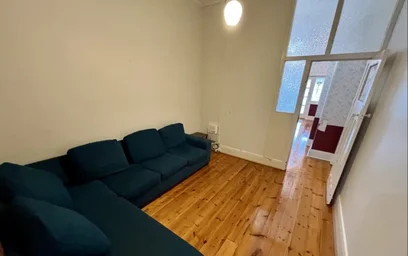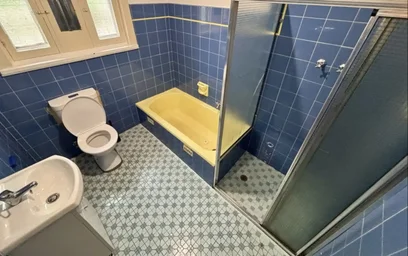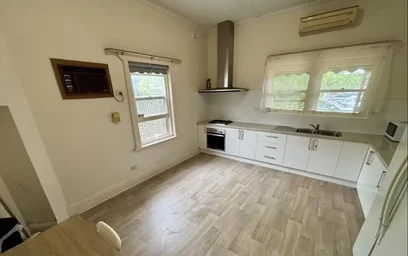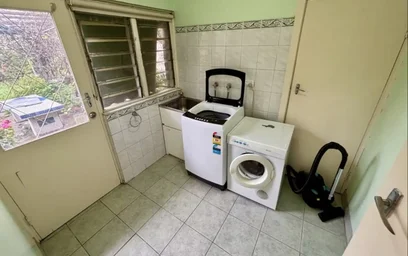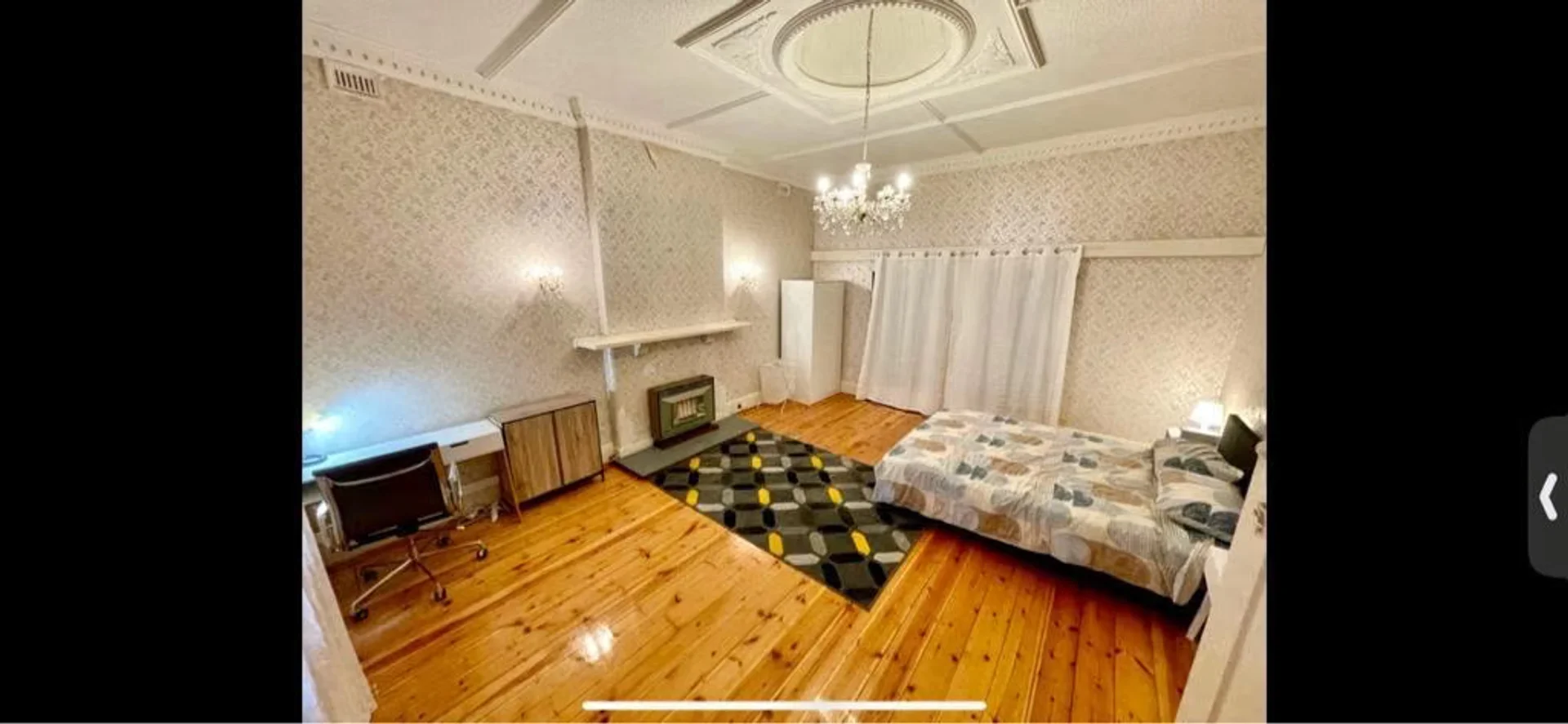
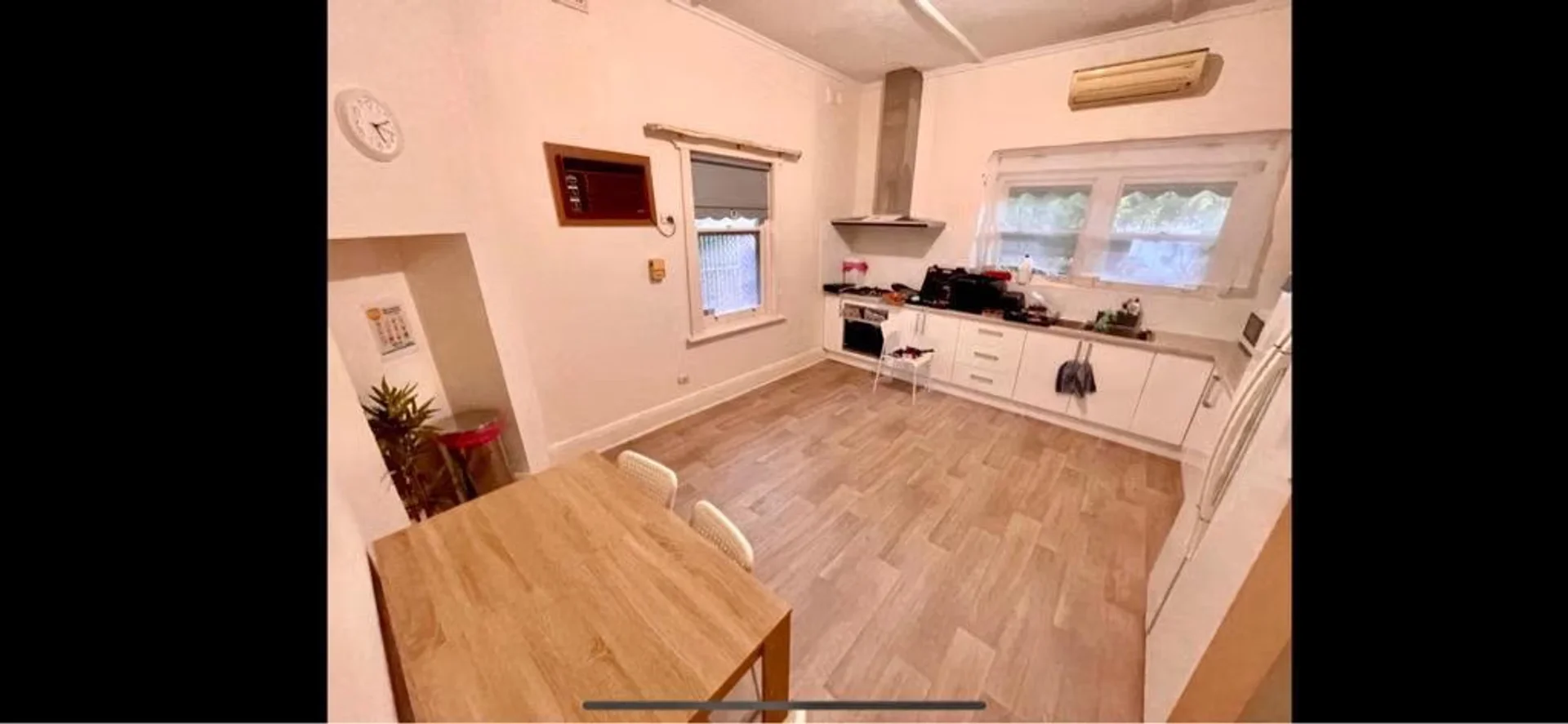
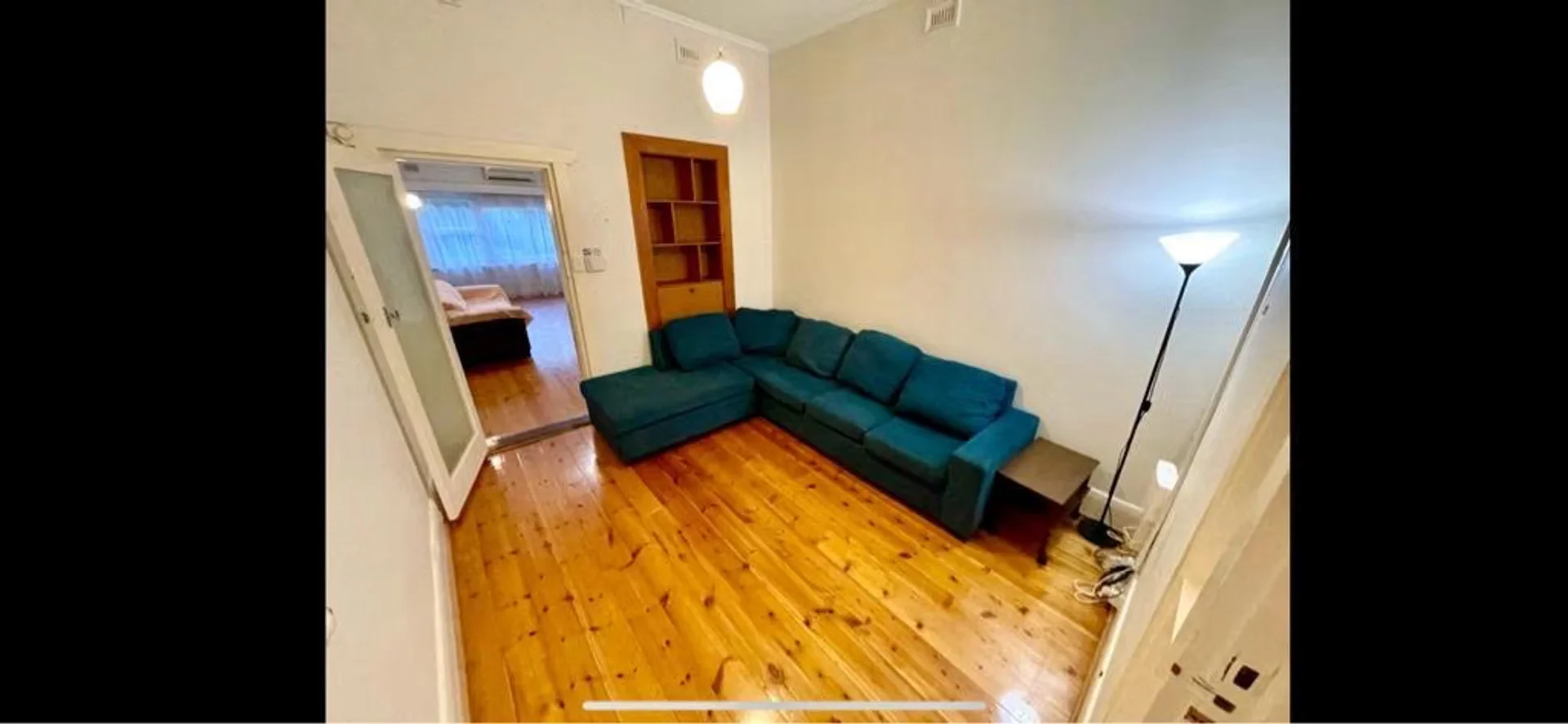
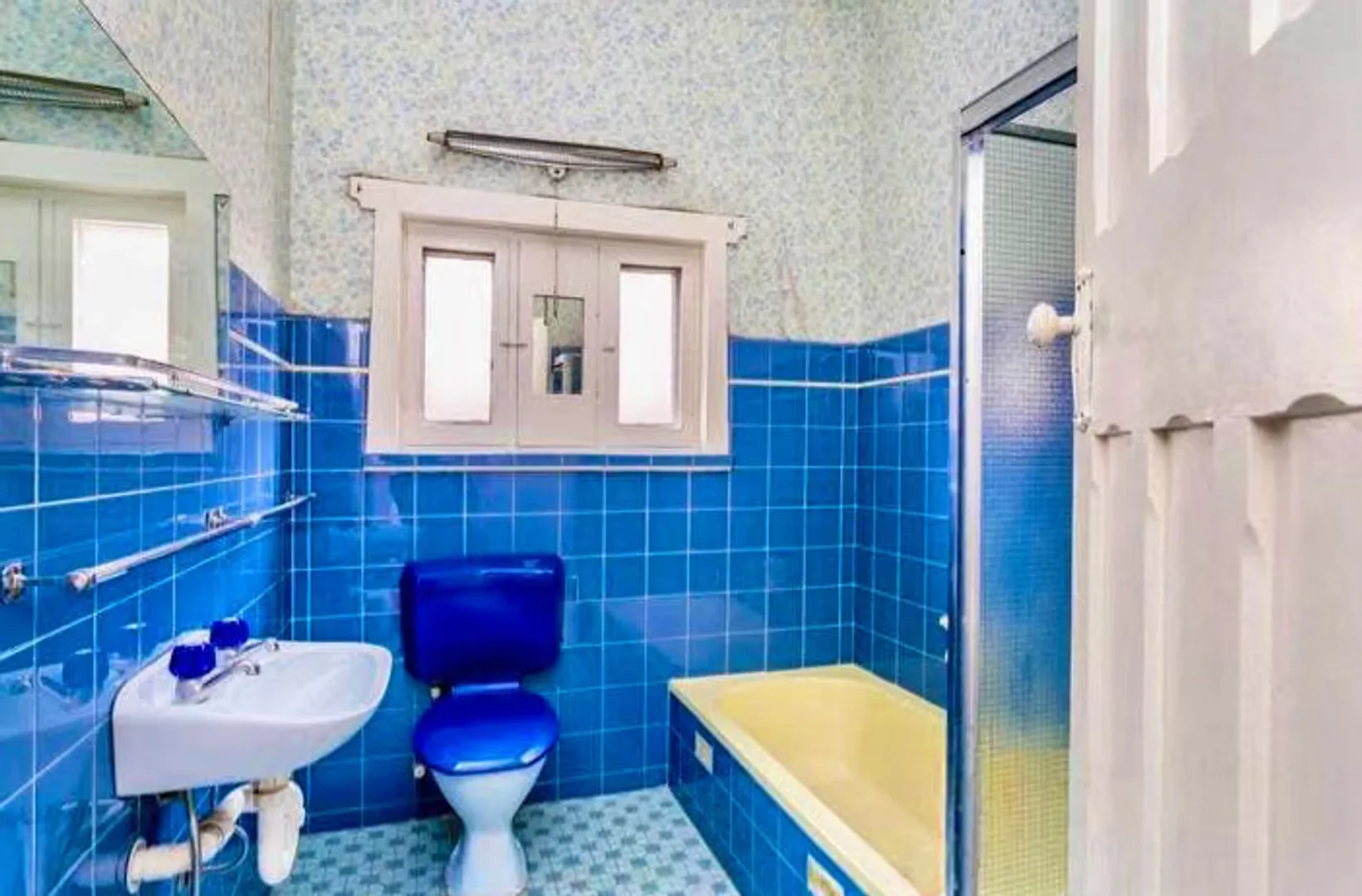
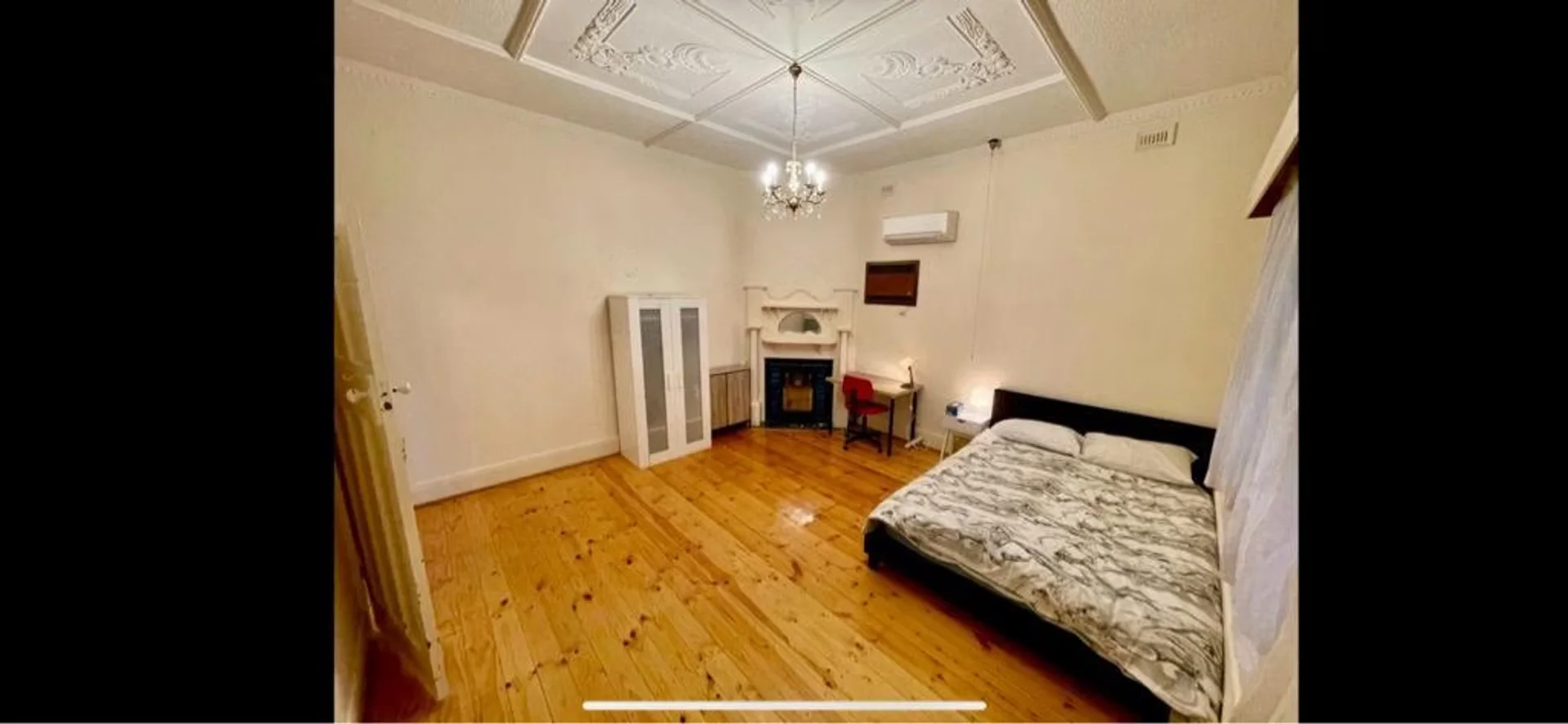
Students can indicate specific room number or location preferences during the booking process, and the Amber team will accommodate these preferences wherever possible, based on availability.
Approximately 2–4 weeks prior to the scheduled move-in date, students will receive check-in instructions via email. This communication will include the steps required to select a check-in date and time slot, complete necessary documentation, and settle any outstanding payments prior to arrival.
In case of any questions or queries, please feel free to contact the Amber team, and our team will assist to ensure a smooth check-in process.
Students who wish to extend their stay can contact the Amber team for renewal or rebooking at the same accommodation. Our team will support the renewal process and help students secure a suitable room of their choice. Students are encouraged to reach out early to ensure they can rebook the same room or another room of their choice at the same property.
Early check-in requests can be shared in advance with the Amber team. Our team will do a feasibility check to facilitate early check-in requests based on room readiness and availability. Additional charges may apply where applicable.
The student has to pay 1 week's rent to book the property.
The student has to pay 2 week's rent as a security deposit.
Rent needs to be paid monthly/weekly, or fortnightly.
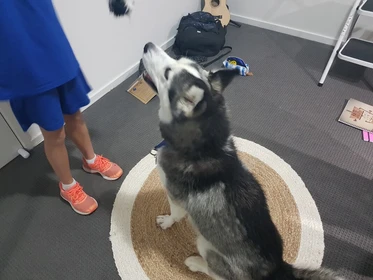
- Pet fee: Up to AU$260 (if you are allowed to keep a pet on the premises)
- Leases under 6 months: +$20/week
- Dual occupancy: +$40/week
For fixed-term agreements of at least 6 months: The resident may have to pay the proprietor's cost of finding a new resident if leaving early.
- For a periodic agreement (no end date), at least 1 day’s notice is required to leave.
- For a fixed-term agreement (at least 6 months), early termination requires an arrangement with the proprietor.
- The resident may be required to pay:
- Costs of finding a new resident.
- Any lost rent.
- Termination by proprietor (60 days' notice required):
- The resident threatened or intimidated (physically or psychologically) the proprietor, their agent, contractor, or employee.
- The resident permitted another person to stay at the rooming house without the proprietor's consent.
- The resident induced the proprietor to enter into the agreement by falsely representing or concealing information about their identity or place of occupation.
- The resident is no longer eligible for the proprietor's charitable organisation requirements.
- The resident is no longer eligible for the National Rental Affordability Scheme (NRAS) for wh...