Erasmus in Mülheim an der Ruhr
Information and tips for international and Erasmus students in Mülheim
| Private rooms Mülheim An Der Ruhr | 46 | 1554/month |
| Studios Mülheim An Der Ruhr | 3 | 1326/month |
| Apartments Mülheim An Der Ruhr | 23 | 1747/month |
Would you like to do your Erasmus exchange in Mülheim an der Ruhr? We can tell you that it’s an ideal German city for Erasmus and international students, offering a great combination of culture, nature, and student life.
Mülheim is home to the Ruhr West University of Applied Sciences, a university offering a wide range of academic programmes. Furthermore, its location in North Rhine-Westphalia makes it easy to travel to other major cities such as Düsseldorf and Essen. It’s also notable for its extensive parks and the Ruhr River, which provide the perfect setting for relaxation or outdoor activities.
The cost of living in Mülheimr is affordable compared to other larger German cities. In addition, its public transport network is efficient and economical, making it easy to travel within and outside the city. Let's find out more about this German city!
Cost of living in Mülheim, Germany
The cost of living in Mülheim is lower than in cities such as Berlin or Munich, but it’s still relatively high. Accommodation is one of the main expenses you’ll have. The cheapest option is a room in a shared flat, which costs between €355 and €500 per month. University residences are also usually a good option, costing €320-400 per month, with included expenses such as water, electricity, and Wi-Fi.
In addition to rent, a student spends between €150-200 per month on transport, food, and leisure, bringing the total cost of living to between €600-700.
Public transport in the city is efficient, and a good option for Erasmus students is the monthly pass "Deutschlandticket", which costs around €58.
Student life, Erasmus parties and leisure in Mülheim
Although Mülheim is not a large city, it has a lively student atmosphere. There are bars and nightclubs such as Rathsstuben and Marktplatz that are popular with students. However, as the city doesn’t offer many leisure activities, many people decide to travel to Essen or Duisburg, which can be reached in just five minutes by train! Parties are also often organised in flats or halls of residence.
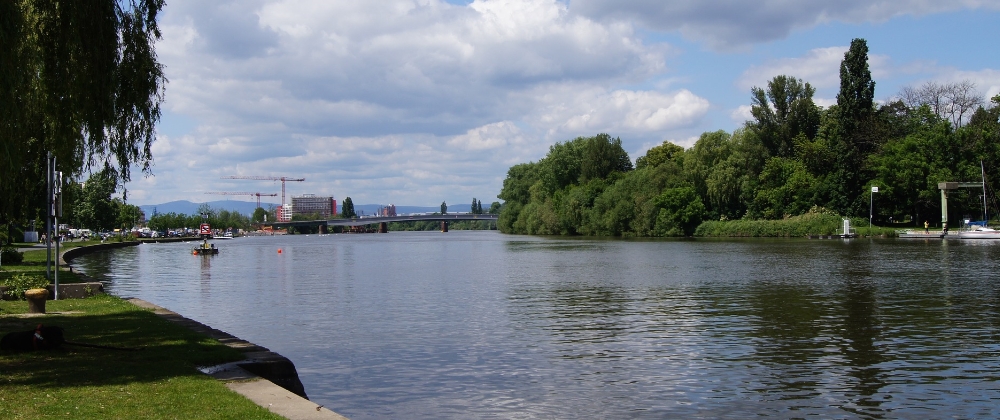
For those who prefer more leisurely activities, you can take walks along the Wasserbahnhof (a pier overlooking the Ruhr River) or enjoy picnics in the Mülheimer Stadtgarten, one of the largest parks in the city. Another popular activity among students is to explore the Ruhrtalradweg, a route along the Ruhr River that’s ideal for walking, running or simply unwinding in the heart of nature. In addition, the Stadtbibliothek often hosts cultural activities and language exchange meetings, which are a great opportunity to improve your German and meet other students.
Culture and gastronomy in Mülheim, Germany
Mülheim offers several interesting cultural options. During your stay, you can visit the Art Museum (Kunstmuseum Mülheim an der Ruhr) or the museum dedicated to the history of photography, called Camera Obscura. If you enjoy theatre, you can attend a performance at the Ruhr Theatre.
As for gastronomy, you can try traditional German dishes such as "Currywurst" (sausage with curry sauce) or "Reibekuchen" (fried potato pancakes).
Restaurants and bars such as Schnell-Restaurant Hähnchen Becker, Imbiss Marquardt, and Erika's Braterei offer local food at reasonable prices.
Advantages and Disadvantages of doing Erasmus in Mülheim
An exchange in this German city has pros and cons that you should be aware of before you arrive.
Advantages
- The city has a large student community, which makes it easy to make friends and participate in activities.
- Its location in North Rhine-Westphalia allows you to travel to nearby cities such as Düsseldorf, Duisburg or Essen in just a few minutes.
- It’s a quiet and safe town.
- The cost of living is more affordable than in other large cities in Germany.
- It has large natural spaces, ideal for walking and outdoor sports.
Disadvantages
- Nightlife is limited compared to larger cities such as Berlin or Hamburg.
- Weather can be cold and rainy in winter, limiting outdoor activities during those months.
- Since it’s a small town, the range of leisure and dining options is more limited compared to other German cities.
Cheap student accommodation in Mülheim an der Ruhr
Do you need accommodation in Mülheim an der Ruhr and don't know how to find it? At Erasmus Play you can find the best flats, rooms, and student residences in Mülheim an der Ruhr.
FAQ about doing Erasmus in Mülheim an der Ruhr
How much does it cost to live in Mülheim as a student?
The cost of living is lower than in cities such as Berlin or Munich. Students typically spend between €600-700 per month on accommodation, transport, food, and leisure, although this can vary depending on each person's lifestyle.
What’s student life like in Mülheim an der Ruhr?
Despite being a small city, it has an active student atmosphere, with bars, events, and university activities. In addition, many students choose to travel to Essen or Duisburg, where there are more leisure options.
How much does student accommodation cost in Mülheim an der Ruhr?
The price of a room in a shared flat is between €350-500 per month, while university residences usually cost between €300-400 per month. It’s also possible to find individual studio flats, although these tend to be more expensive.
How much is the Erasmus scholarship to study in Mülheim an der Ruhr?
The Erasmus grant varies depending on the country of origin and the university of each student. It’s advisable to check with the relevant institution, as the amount may change depending on the destination and length of stay.
What’s transport like in Mülheim an der Ruhr?
Public transport is efficient, and the best option is the €58 monthly pass. Even so, many people prefer to walk to places. There’s also a good network of cycle lanes, so many students choose to get around by bicycle to save money and time.
Other Erasmus destinations