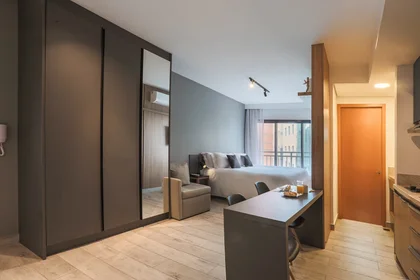
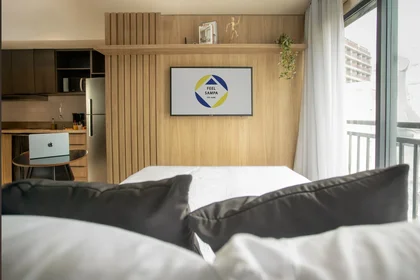
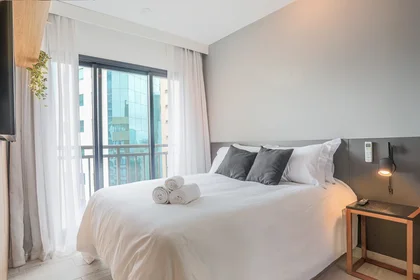
Private room
Shared room
Studio
Entire apartment
Residence
Coliving
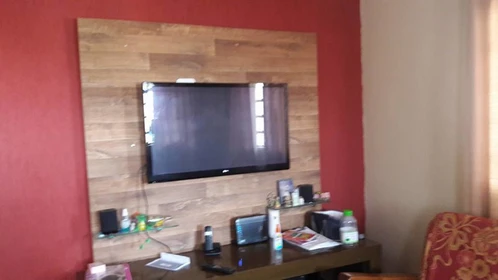

Private room
Room for rent at São Paulo

Private room
Room for rent at São Paulo - SP
Private room
Room for rent at Itapecerica da Serra
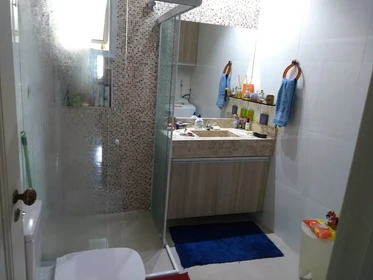
Private room
Room for rent at São Paulo
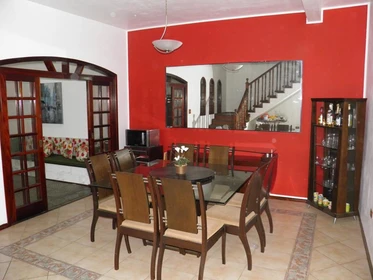
Private room
Room for rent at Guarulhos
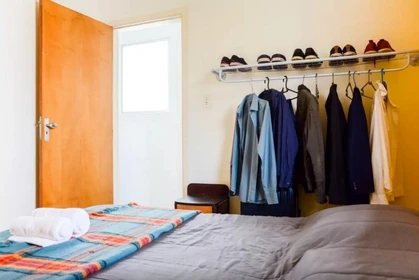
Private room
Room for rent at São Paulo
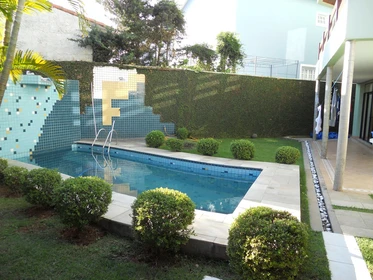
Private room
Room for rent at São Paulo - Cotia
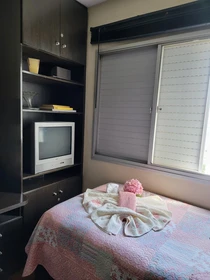
Private room
Room for rent at São Paulo - Paulo
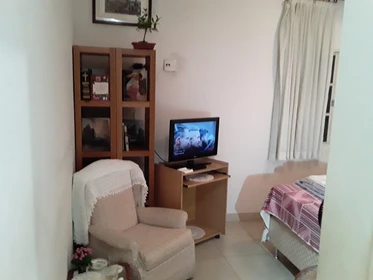
Private room
Room for rent at SAO PAULO - SP
Private room
Room for rent at São Paulo
Private room
Room for rent at São Paulo
Private room
Room for rent at Sao Paulo
Private room
Room for rent at São Paulo
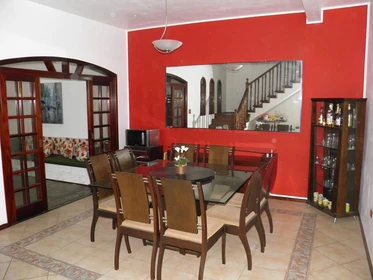
Private room
Room for rent at Guarulhos
Private room
Room for rent at Sao Bernardo do Campo
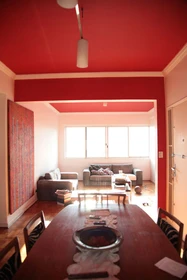
Private room
Room for rent at SAO PAULO
The University of São Paulo (USP - Universidade de São Paulo) is the largest and most prestigious higher education institution in Brazil, recognised as one of the best in Latin America. It was founded in 1934 and each year welcomes more than 90,000 undergraduate and postgraduate students, both national and international. In this article, we'll tell you everything you need to know about the institution, so that you can easily find student accommodation near the University of São Paulo and make the most of your academic experience in the city.
| Available accommodation | Total | Average price |
|---|---|---|
| Private room Sao Paulo | 132 | €580 |
| Residence Sao Paulo | 0 | |
| Studio Sao Paulo | 1 | €500 |
| Entire apartment Sao Paulo | 14 | €1,171 |
We’lll tell you where the institution is located so that you can consider the most convenient neighbourhoods to live in nearby.
It has several campuses in and around the city. These are:
The main campus of USP is located in the city's University City area, in the Butantã neighbourhood. It’s the largest campus and home to the greatest number of faculties and institutes, as well as other centres, administrative facilities, sports facilities, restaurants and residences.
This campus also has several museums that are part of the University, such as the Museum of Archaeology and Ethnology.
These are the institution's other campuses, whose names refer to their locations:
The following are some of the neighbourhoods you may wish to consider for living near the main USP campus:
Butantã is the most comfortable option if you’re going to study in the USP because its main campus is located there. It’s a neighbourhood with a lively student scene that’s full of residencies, bars, and accessible restaurants for everyday life. There are also supermarkets, gyms, and other basic services. The transport’s also quite good thanks to the metro line and the multiple bus routes that connect to other areas of the city.
It's one of the most modern and lively neighbourhoods in São Paulo and is ideal if you like to alternate between studying and socialising. It’s very well connected to the USP by metro and buses (you can get there in about 20 minutes), and it also has bars, restaurants and cafés on every corner. It’s an area with a vibrant cultural scene, street fairs, and alternative spaces that always have things going on. That being said, keep in mind that the cost of living is a bit higher than in Butantã.
Vila Madalena is this Brazilian city's quintessential bohemian neighbourhood that’s known for its urban art, bars with live music, and a youthful atmosphere every day of the week.
Although it also makes living in Vila Madalena more expensive, it offers a creative and cultural environment, much livelier than the previous two options. Furthermore, it’s relatively close to USP and well connected by underground and buses.
There are two student residence options near USP.
On the one hand, there are private residences. These are usually located in central neighbourhoods, so you normally have to use public transport to get to campus.
On the other hand, there are university residences, which are mostly located on campus. An important fact to bear in mind is that there are usually no places available in these residences for exchange students. For this reason, students often look for rooms in private shared flats.
Some information to bear in mind when doing an exchange at this important Brazilian institution:
Most students who attend USP live in neighbourhoods that are close to campus, such as Butantã, Pinheiros, or Vila Madalena, to make commuting more convenient.
Near the University of São Paulo, you can find Villa-Lobos Park, ideal for playing sports or relaxing outdoors. There’s also the Butantan Institute, famous for its museum and research centre. In addition, the area has shopping centres, bars, and restaurants frequented by students.
You can reach USP by metro, by getting off at Butantã station (Yellow Line) and then taking a bus or the free internal transport service. There are also several city bus routes that connect directly to the campus. Another option is to cycle, as the area has cycle paths.
The University of São Paulo has several campuses, but the main one is located in the Cidade Universitária Armando de Salles Oliveira, in the neighbourhood of Butantã, in the western part of São Paulo. It occupies a huge area of land with faculties, institutes and museums. It’s well connected by metro, buses and the city's main roads.
Student life at USP is very active, with academic centres, cultural groups, and sports associations in almost every faculty. Students participate in events, parties, and integration activities such as the iFriends programme.
No. Erasmus Play is built for students on any programme (exchange, master's, undergraduate...), interns, and young professionals in general. You can also book for the exact length of your stay, without depending on academic term dates.
Find, compare and book student accommodation on Erasmus Play
Table of contents
Useful links